

Table of contents

Selling a car for a friend, family member, or partner can be straightforward, but you need clear permission from the registered owner and the right documentation. Extra steps may apply if the car has finance owing, belongs to a deceased estate or the owner cannot sign the transfer documents themselves.
This guide explains how to sell a car on behalf of someone else in New Zealand, from preparing a written authority to handling payment and completing the ownership transfer.
Can someone else legally sell your car?
Yes, someone else can usually sell your car on your behalf in New Zealand if you have clearly authorised them to do so. The person handling the sale should be able to show written permission from the registered owner, along with the vehicle details and both parties’ identification.
Written authority helps reassure potential buyers that the sale is legitimate. It also reduces the risk of disputes over payment, ownership transfer or whether the seller had permission to sell the car.
Extra documentation may be needed when:
- The car has outstanding finance
- The owner is unable to sign documents
- Someone is acting under a power of attorney
- The registered owner has died
- The vehicle forms part of a deceased estate
The registered owner remains responsible for making sure the sale and ownership transfer are completed correctly.
How to give someone authority to sell your car
Before someone sells your car on your behalf, give them clear written permission. A signed authorisation letter provides practical proof that a friend, family member or representative has your approval to manage the sale.
The letter should set clear limits around what they can do, including whether they may:
- Advertise the car for sale
- Speak with prospective buyers
- Arrange viewings or test drives
- Negotiate within an agreed price range
- Sign a sale receipt
- Accept payment on your behalf
- Help complete the change of the registered person
Provide the authorised seller with relevant documentation, such as the car’s registration details, service records and finance information. They should also have a way for potential buyers to contact you and confirm the authority.
Written permission does not allow someone to copy your signature or pretend to be you. A formal power of attorney or other legal documentation may be needed if you cannot make decisions or complete the necessary transactions yourself.
What the authorisation letter should include
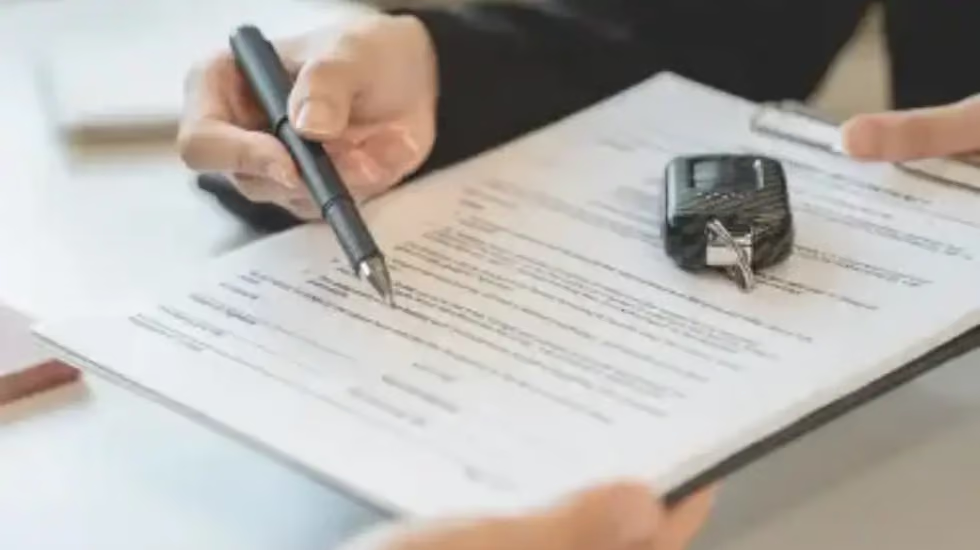
Keep the letter short, specific and signed. Include:
- The registered person’s full name, address and contact details
- The authorised seller’s full name and contact details
- The car’s make, model, year, number plate and VIN or chassis number
- A clear statement giving permission to sell the vehicle
- The tasks the person is authorised to complete
- Any minimum sale price or limits on negotiation
- Instructions for where the payment must be sent
- The date the authority begins and expires
- The registered person’s signature and date
You may also attach copies of identification, but remove or cover information the buyer does not need. Keep the original letter and give the authorised seller a copy.
Simple wording example:
I, [owner’s full name], authorise [seller’s full name] to advertise and sell the vehicle described below on my behalf, subject to the conditions in this letter.
The buyer and seller must still notify NZTA when the vehicle changes hands. NZTA records the registered person, who is not necessarily the legal owner.
What to check before selling a car to someone else
When you’re selling a vehicle on behalf of someone else, check the car, paperwork and sale instructions before dealing with potential buyers. This helps confirm the legality of the car sale and avoids delays once it is time to sell.
Use this checklist before you sell privately:
- Confirm who is authorised to sell: Keep the signed letter from the owner and check that it covers advertising, negotiation, payment and the sale process.
- Verify the vehicle details: Match the number plate, VIN, make and model against the registration certificate and other necessary documentation.
- Confirm the registered person: In New Zealand, NZTA records the registered person rather than determining legal ownership. Check that the person giving authority is entitled to arrange the sale.
- Check for outstanding finance: Ask the owner for current finance details, and do not promise a clear title until any secured debt has been addressed.
- Review the car’s condition: Confirm whether it has a current WoO, rego and appropriate roadworthiness for any planned test drive. A car without a current WOF may still be sold, but the buyer must be clearly informed, and the vehicle should not be driven unlawfully.
- Gather the service history: Collect the logbook, repair invoices, service records, and any available full service history. These can provide assurance to potential buyers.
- Agree on the car’s value: Arrange a valuation or set a minimum acceptable price with the owner before speaking with buyers.
- Set payment instructions: Confirm whose account will receive the money and whether the authorised seller may accept a deposit.
- Plan the transfer: Both sides must notify NZTA when the vehicle changes hands so the change of registered person can be completed.
For unusual arrangements, such as selling a partner’s, husband’s or brother’s car when they cannot provide written permission, consider getting advice from a legal professional before continuing.
Can you sell a car that still has finance owing?
Yes, you may be able to sell a car with outstanding finance, but the debt and any registered security interest should be dealt with as part of the sale process. Simply transferring the car to a buyer does not automatically clear the finance.
When selling a vehicle on behalf of someone else, ask the owner to contact the lender and request:
- The current payout amount
- Instructions for settling the loan
- Confirmation of any security interest over the car
- Written confirmation once the finance has been cleared
- Approval for the authorised person to discuss the account, where needed
A signed letter giving you permission to sell the vehicle may not give you authority to manage the owner’s finance account. The lender may require the owner to contact them directly or provide additional documentation.
Arrange the payout before completing the sale
The safest option is usually to arrange for the finance to be repaid before the buyer takes the car. Depending on the lender’s requirements, the owner may clear the balance themselves or agree that part of the sale payment go directly to the finance company.
For example, if the agreed car sale price is $15,000 and the finance payout is $6,000, the buyer could pay:
- $6,000 directly to the lender
- The remaining $9,000 to be deposited into the account nominated by the owner
Get the arrangement in writing and wait for confirmation that the security interest has been discharged before handing over the keys or completing the transfer of ownership.
Be upfront with potential buyers
If you’re selling the car privately, tell prospective buyers that finance is owing and explain how it will be cleared. A buyer purchasing a vehicle with an active security interest may face repossession if the debt is not repaid, so they should check the Personal Property Securities Register before proceeding.
A recent payout letter, clear payment instructions and confirmation from the lender can provide assurance to potential buyers and help the authorised seller complete a successful sale.
Do not use the sale proceeds for any other purpose, or tell the buyer that the car is finance-free until the lender has confirmed it. For complicated arrangements, consider speaking with the finance company or a legal professional before it is time to sell.
How to sell a deceased person's car in NZ
When someone has died, their car usually forms part of their estate. A relative or friend should not choose to sell it simply because they have the keys, use the vehicle, or were close to the deceased. The person managing the estate should authorise the sale and make sure the necessary documents are in place.
Before starting the selling process:
- Check the will to identify the executor
- Confirm whether probate or letters of administration are required
- Find the vehicle’s keys, service history and other records
- Check for outstanding finance, rego fees or Road User Charges
- Confirm whether the car has a current WOF and is roadworthy
- Obtain a valuation before agreeing on the car’s value
- Decide where the sale proceeds must be paid
- Keep a written record of the sale for the estate
An authority letter or letter of intent from the deceased person no longer provides ongoing permission after their death. Any enduring power of attorney also ends when the person dies, so the estate must be handled by the appropriate executor or administrator.
If you’re selling a car on someone else’s behalf because your husband, partner, brother or another family member has died, check the estate authority before advertising or handing over the vehicle. For a complicated or disputed estate, speak with a legal professional.
Who can sell a deceased person's car?
The car can generally be sold by:
- The executor named in the will, once they have the authority required to administer the estate
- A court-appointed administrator where there is no will or no executor able to act
- Another person acting under the executor’s or administrator’s instructions, provided the sale remains properly authorised and documented
NZTA may transfer the vehicle into the care of an executor or administrator while the estate is being finalised. If the vehicle is sold, the seller's transaction must be completed using the deceased-owner process, and the buyer must also complete their side of the change of registered owner.
NZTA advises that the seller side can be completed using the MR13A change of registered person form, online or by phone. Evidence of death, such as a death certificate, may also be required in some circumstances.
Do not hand over the keys until payment has cleared and the buyer has completed their part of the transfer. This helps protect the estate from future fees, notices or disputes.
Completing the ownership transfer after an authorised sale
Once the car sale is complete, both the seller and buyer need to notify NZTA.
The person selling on behalf of the owner should make sure:
- The seller’s notice is completed
- The buyer completes their change of registered person
- The sale date and buyer details are recorded
- Copies of the receipt and authority letter are kept
- The vehicle is not handed over until payment clears
The authorised seller should use the owner’s correct details and should not sign the owner’s name without legal authority.
Completing the transfer promptly helps prevent future tolls, fines or notices being linked to the previous registered person.
Handling payment safely in an authorised sale
Agree on the payment process with the owner before accepting an offer.
For a safer sale:
- Have the buyer pay into the account nominated by the owner
- Avoid accepting large cash payments
- Confirm the money has cleared before releasing the car
- Record the sale price, payment date and buyer’s details
- Give the buyer a signed receipt
- Keep copies of the authority letter and sale records
The receipt should state that the vehicle is being sold on behalf of the registered person. It should also include the car’s details, the agreed price and the names of everyone involved.
If finance is owed, follow the lender’s payout instructions rather than sending the full payment to the owner.
FAQs
Can I sell someone else’s car if they live overseas?
Yes, provided you have clear written authority and the necessary vehicle details. The owner should also confirm who may negotiate, receive payment and complete the seller’s side of the ownership change. More formal documentation may be required if the owner cannot complete key transactions themselves.
Can I test drive a car I am selling on someone else’s behalf?
You can arrange test drives with the owner’s permission, but first check that the car is roadworthy, has a current WOF where required and is properly licensed. You should also confirm that the driver has a valid licence and that the vehicle is insured for test drives.
Does the authorised seller become legally responsible for the car?
Not automatically. Acting on someone’s behalf does not make you the vehicle’s owner. However, you are responsible for handling the sale honestly, following the authority given and not misrepresenting the car’s condition, finance status or ownership.
Can the owner cancel my authority before the car is sold?
Yes. The owner can usually withdraw permission before a binding sale is completed. Any cancellation should be provided in writing, and you should immediately stop advertising, negotiating or accepting payment for the vehicle.
Prefer a simpler way to sell on someone's behalf?
Selling a car for a friend, relative, or family member does not have to be a lengthy private sale. Sell My Salvage keeps the process simple, with a quick online quote, digital paperwork and vehicle collection arranged for you.
Just make sure you have the owner’s authority and the necessary documents ready before requesting a price.


.svg)