

Table of contents

A damaged, broken or written-off car can be hard to sell through the usual channels, especially if it does not run or no longer has a current WOF. The good news is that you still have options.
This guide explains who can sell the vehicle, whether repairing it makes sense, what affects its value and how wreckers, auctions and damaged-car removal services compare. You will also learn what to disclose, which documents you need and how to get a fair cash offer without unnecessary hassle.
Who owns the car right now? Start here
Before you sell a damaged or written-off car, confirm who legally owns it and who is recorded as the registered owner. These are not always the same thing. NZTA records the registered person responsible for the vehicle, but it does not determine legal ownership.
This distinction matters after an insurance payout. Depending on the terms of the claim agreement, the insurer may take ownership of the vehicle or allow you to keep the salvage in exchange for a reduced payout. Check your settlement documents before accepting an offer or arranging car removal.
If your insurer wrote the car off
Start by asking your insurer whether the payout transferred the vehicle to them.
If the insurer has taken ownership, you cannot sell the car yourself. They will usually arrange its collection, auction or disposal. Remove your personal belongings and follow their instructions before handing over the keys.
If you retained the vehicle, ask for written confirmation that you are free to sell it. Also check whether the registration has been cancelled and whether the car has a safety flag on the Motor Vehicle Register. Vehicles written off because of structural, fire or water damage may be flagged, and that record can remain even after certified repairs.
Keep copies of:
- The insurance assessment
- The payout or settlement letter
- Any confirmation that you retained the salvage
- Repair estimates or damage reports
- Registration cancellation records
If you own the car and want to sell it yourself
You can generally sell your broken car as-is when you still own it, including when it does not run. However, confirm that there is no outstanding finance or other security interest over the vehicle before completing the sale.
Be clear about the car’s condition, accident history and write-off status. Provide the buyer with any reports, repair records, and insurance documents you have so they can make an informed decision.
At the time of sale, both parties must notify NZTA so the registered person can be changed. The seller should do this straight away and, where possible, confirm that the buyer has completed their part before handing over the vehicle.
Quick check: Being named as the registered person does not necessarily prove that you legally own the car. If ownership is disputed, the vehicle is financed, or the insurance settlement is unclear, resolve that issue before selling.
Is it worth repairing a repairable write-off, or selling it as-is?
A repairable write-off may still be fixable, but that does not always mean repairing it is the smartest financial move. Before spending money, compare the likely repair cost with the car’s value once repaired, its current salvage value, and the time required to return it to the road.
Get at least one detailed repair estimate before deciding. Include parts, labour, towing, inspections, certification and any unexpected costs that may arise once work begins.
A simple way to assess the numbers is:
Expected value after repairs − total repair costs = possible value gained
Compare that result with a genuine as-is cash offer. If the difference is small, selling the damaged car without repairing it may save time, money and stress.

Tip: Get the numbers before booking repairs
Ask for an itemised repair quote and compare it with the car’s realistic post-repair value and an as-is offer. A low headline repair estimate may not include towing, inspections, certification or hidden damage.
What affects the value of a damaged or broken car?
The value of your vehicle depends on what still works, how severe the damage is and what a buyer can recover through repair, parts or scrap metal. A reputable buyer will usually assess several factors before providing an accurate quote.
For a more accurate quote, share the registration number, year, make, model, mileage, location and clear photos of the damage. Honest information helps reduce last-minute price changes and creates a more transparent, hassle-free experience.
Wrecker, auction or damaged-car removal service — which pays more?
The same broken car can attract very different offers depending on who buys it. The highest headline price is not always the best overall result once towing, auction fees, delays, and paperwork are factored in.
A wrecker may pay more for a car with strong parts or scrap value, while an auction can produce a better result for a repairable or classic vehicle with buyer demand. A reputable damaged-car removal service may not always deliver the highest theoretical price, but it can provide the strongest balance of cash price, convenience, free towing and certainty.
What you must disclose before selling a damaged car
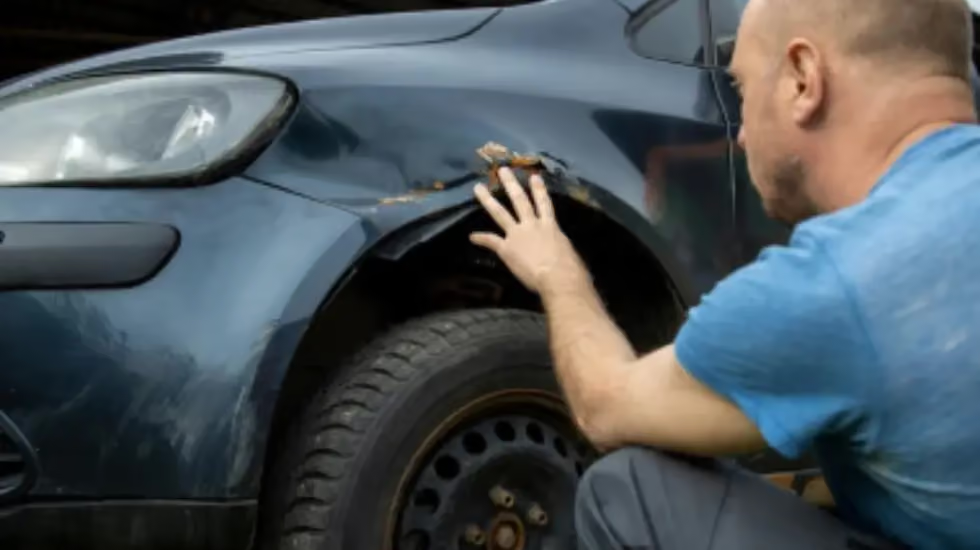
Full disclosure helps the buyer understand exactly what they are purchasing and protects you from disputes after the sale. Do not hide known faults or describe a repairable write-off as roadworthy unless its repair and certification requirements have been completed.
Before accepting payment, tell the buyer about:
- The known damage: Explain whether the car has cosmetic, mechanical, structural, fire, flood or water damage.
- Its write-off history: State whether an insurer declared it a write-off and whether you retained the salvage after the payout.
- Any damage or safety flag: Disclose any flag recorded against the vehicle. Structural damage or a safety flag can prevent the car from receiving a WOF until it is properly repaired and inspected.
- The running condition: Be clear about whether the car starts, drives, brakes and can be safely loaded for towing.
- Known mechanical faults: Include problems with the engine, transmission, steering, electrical system, airbags or other major components.
- Repairs already completed: Provide invoices, photographs and certification records where available. Do not suggest that repairs were professionally completed unless you can support that claim.
- Its current WOF and registration status: Give the correct expiry dates and explain if the registration has been cancelled.
- Money owing on the car: Disclose any outstanding finance or other security interests that could affect the buyer.
- Missing parts or documents: Tell the buyer if keys, plates, registration details, service records or other necessary documents are unavailable.
- How the vehicle may be used: Make it clear when the car is being sold for repair, parts, recycling or scrap rather than immediate road use.
Put the main details in the advertisement and repeat them in a written sale agreement. Keep copies of the listing, messages, photographs and signed paperwork. Private buyers have fewer protections than dealership customers, but they may still seek a refund or compensation if they were persuaded to buy through misleading statements.
Can you legally sell a car without a current WOF?
Yes. You can legally sell a damaged car without a current WOF in New Zealand, but the buyer must agree to accept it in that condition.
Normally, a light vehicle being sold must have a WOF issued within the past month. However, the buyer and seller can agree to a different arrangement. NZTA recommends recording that agreement in writing.
Before handing over the car, record that the buyer:
- Knows the vehicle does not have a current WOF
- Accepts the car in its present condition
- Understands it may not be safe or legal to drive on the road
- Will arrange towing or another legal form of transport
- Accepts responsibility for repairs, inspections and certification
- Has been told about known accident damage, faults and write-off history
- Understands that the sale is “as-is, where-is”
- Agrees to the sale price and payment method
The agreement should also include the vehicle’s registration number, VIN or chassis number, odometer reading, WOF expiry date, buyer and seller details, sale date and signatures. Consumer Protection recommends documenting the vehicle’s condition and known defects to help prevent disputes later.
Documents you may need to sell a broken or written-off car
Having the necessary paperwork ready helps prove your right to sell the vehicle, confirm its condition, and complete the change of registered owner without delay. This is important whether you sell a repairable car, dispose of a complete wreck or send the vehicle for recycling.
- Photo identification: Have a current New Zealand driver's licence or another accepted form of identification available.
- Vehicle details: Record the registration plate, VIN or chassis number, make, model, year and odometer reading.
- Proof of ownership: Keep documents showing how you acquired the car, such as a purchase agreement, receipt, finance settlement record or insurance correspondence. Being the registered person does not necessarily prove legal ownership.
- Finance clearance: Confirm that no money is owing and that any security interest has been removed. Written confirmation from the lender can help give the buyer confidence.
- Insurance write-off documents: Include the assessment, settlement letter and confirmation that you retained the vehicle after the payout, where applicable.
- Damage and repair records: Provide inspection reports, repair quotes, invoices, photographs and certification documents that show the vehicle’s known history.
- WOF and registration details: Record the current status and expiry dates, even when the WOF or vehicle licence has expired.
- Written sale agreement: Include the buyer and seller details, sale date, agreed price, payment method, vehicle condition, known faults and whether it is being sold as-is, for parts, scrap or repair. A signed agreement improves transparency and creates evidence of what both parties accepted.
- Buyer acknowledgement: When selling a broken car without a current WOF, record the buyer’s agreement to accept it in that condition and arrange legal transport.
Keeping these documents organised will not guarantee top dollar for your vehicle, but it can help you compare competitive offers and complete a smoother sale. It also gives a reputable buyer the information needed to decide whether the car should be repaired, dismantled, or recycled, including guidance on the safe handling of fuel, batteries, and other hazardous materials.
FAQs
Can I sell a damaged car that does not start?
Yes. A non-running vehicle can still be sold to a wrecker, salvage buyer or damaged-car removal service. Tell the buyer that it does not start, and explain whether it rolls, steers, and has accessible wheels, so they can arrange the right towing equipment.
Should I remove valuable parts before selling the car?
Usually, it is better to request quotes before removing anything. Engines, transmissions, catalytic converters, wheels and electronics can contribute to the vehicle’s overall value. Removing them may reduce the offer by more than you could earn selling the parts separately.
Do I need to deregister a wreck before it is collected?
If the vehicle is no longer roadworthy and is being destroyed by a wrecker, NZTA says it must be deregistered. Ask the buyer who will complete the deregistration and what will happen to the number plates, then keep the confirmation for your records.
Are there payout differences between wrecked-car buyers and damaged-car removal services?
Yes. A wrecked-car buyer may calculate the payout mainly based on the value of reusable parts and scrap metal. A damaged-car removal service may consider a wider range of factors, including repair potential, resale demand, vehicle condition and salvage channels.
The best headline offer can also change once towing, storage or administration costs are deducted. Compare the final cash payout, whether free removal is included and when payment will be made before choosing a buyer.
Get a fair cash offer for your damaged car today
Selling a broken, damaged or written-off car does not need to involve repairs, advertising or towing costs. Tell Sell My Salvage about your vehicle, review your cash offer and choose a collection time that suits you.
We buy cars in any condition and arrange free removal from your location. Vehicles that cannot return to the road can be directed through appropriate salvage and recycling channels, supporting safer environmental disposal of scrap metal, batteries, fluids and other materials.


.svg)