

Table of contents

Key Takeaways
- New Zealand does not use a physical car title in the same way as some other countries.
- You should have photo ID, vehicle details and the buyer’s full name and address ready.
- A written receipt or sale agreement helps protect both the buyer and seller.
- Any outstanding finance should be confirmed and resolved before the vehicle changes hands.
- Both parties should notify NZTA after the sale to update the registered person.
Selling a car in New Zealand is much easier when you have the right paperwork ready before you list your vehicle or accept an offer. Whether you're selling privately, trading it in or using a cash-for-cars company, knowing which documents you need can help avoid delays, protect both parties and make the transaction smoother. This guide explains the essential documents to sell a car, what to do if information is missing, and how requirements differ for damaged or financed vehicles.
What documents do you need to sell a car?
To sell a car in New Zealand, you usually need:
- Photo ID
- The vehicle’s registration details
- The buyer’s full name and address
- A sale receipt or written agreement
- Finance details, if money is still owing
- Warrant of Fitness (WOF) and vehicle licence information, where applicable
Do you need the title to sell your car in NZ?
No. New Zealand does not use a physical car title or ownership certificate in the same way as some other countries. The Motor Vehicle Register records the registered person, but this is not necessarily the vehicle’s legal owner.
When selling a car in NZ, you should instead have:
- Proof that you are legally authorised to sell the vehicle
- Your driver’s licence or another accepted form of identification
- The car’s registration plate and VIN
- The buyer’s full name and address
- A receipt or written sale agreement
- Details of any outstanding finance
After the sale, both parties should notify NZTA so the vehicle can be transferred to the new registered person. The seller can usually complete their part online using their New Zealand driver’s licence, the plate number and the buyer’s details.
A registration certificate may be useful as supporting paperwork, but it is not proof of legal ownership. Keeping a copy of the receipt and completed documentation gives both parties a clear record of the transaction.
What if there's still a loan on the car?
You may still be able to sell your car while finance is outstanding, but you should contact the lender before accepting payment or handing the vehicle over.
Ask the finance company for a current settlement figure and confirm how the loan must be repaid. Depending on the agreement, the buyer may pay the lender directly, or part of the sale proceeds may be used to clear the balance.
You should also:
- Tell potential buyers that finance is outstanding.
- Record how the loan will be repaid in the sale agreement.
- Obtain written confirmation when the balance has been cleared.
- Keep copies of the settlement letter, receipt and payment record.
Outstanding finance can be secured against the car, which may allow a lender to repossess it if the debt is not paid. A written private sale agreement should confirm whether money is owing and how it will be resolved.

Tip
Do not rely on the car’s registration paperwork to check for debt. Buyers can search the Personal Property Securities Register before completing the purchase.
How to complete the paperwork for a private car sale
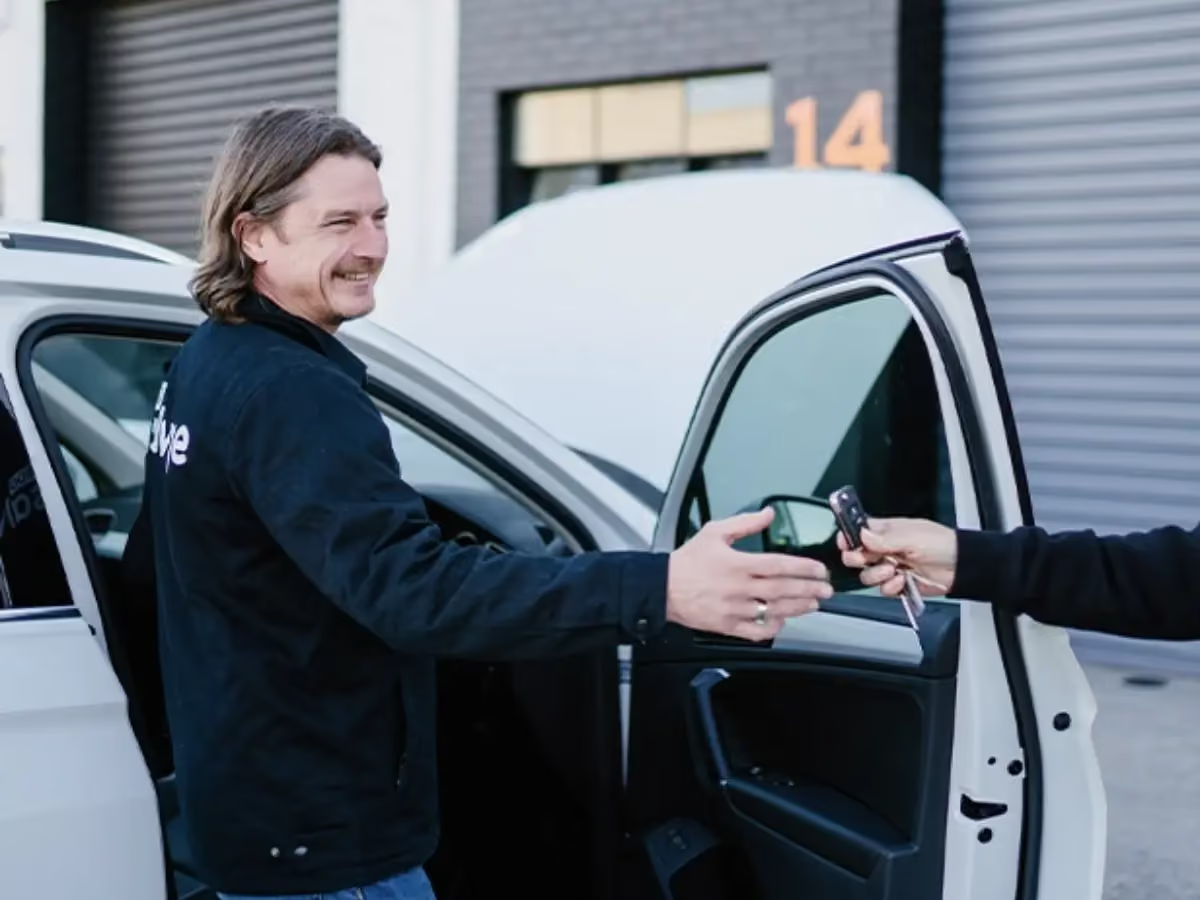
A private car sale involves more than exchanging keys and payment. Completing the paperwork correctly helps protect both the seller and the new owner, provides a clear record of the transaction, and ensures the change of ownership is completed smoothly.
Step 1: Gather your documents
Before listing your car for sale, keep all your paperwork in one folder so it's easy to access during the sale. This may include:
- Photo ID
- Current registration details (rego)
- Vehicle licence information
- Warrant of Fitness (WOF) details
- Service records and the owner's manual
- Any available vehicle history report
- Finance settlement documents, if applicable
Having your paperwork ready helps you answer buyer questions confidently and can speed up the sale.
Step 2: Complete the sale
Once you've agreed on a price, confirm the payment method before handing over the vehicle. Whether you're accepting cash or another payment method, record the agreed amount and the date of sale.
Before the buyer drives away, remove your personal belongings and ensure you've handed over all keys, service books and any spare accessories included in the purchase.
Step 3: Notify NZTA
After the sale, complete your change-of-ownership notification with NZTA as soon as possible. You'll generally need:
- Your driver's licence
- The vehicle's registration number
- The buyer's name and address
- The date the vehicle changed hands
The buyer should also complete their own registration process to become the new registered person.
What to write in a private sale agreement
A written sale agreement doesn't have to be complicated, but it should clearly record what was agreed upon. This provides protection for both parties if questions arise after the transaction.
Include the following details:
- Seller's and buyer's names and contact details
- Vehicle make, model, registration number and VIN
- Sale price and payment method
- Date and time of the sale
- Current odometer reading
- WOF and vehicle licence expiry dates
- Any outstanding finance or road user charges
- Details of any warranty, or confirmation that the car is sold "as is, where is"
- Signatures from both parties
What documents do you need to scrap or sell a damaged car?
Selling a damaged, broken or crash-affected car usually requires the same core paperwork as any other vehicle sale. However, you should also provide an accurate record of the car’s condition and any decision to cancel its registration.
Have the following ready:
- Photo ID: Usually a New Zealand driver's licence.
- Vehicle details: The registration plate, make, model and VIN.
- Proof you can sell the car: Such as a purchase receipt, finance clearance letter or other ownership records.
- Buyer’s details: The full name and address of the person or business taking the vehicle.
- A sale receipt or agreement: Record the price, date, vehicle details and payment method.
- Damage information: Include known crash damage, mechanical faults, missing parts and previous repairs.
- Finance documents: Confirm that any outstanding loan or security interest will be cleared.
- Registration records: Note whether the vehicle has current rego, a WOF or unpaid road user charges.
You do not need a current Warrant of Fitness to sell a damaged car that will not be driven on the road. However, you should clearly state that it is not roadworthy and arrange towing or collection rather than allowing the buyer to drive it away.
If the vehicle has reached the end of its life, is permanently unusable or has been written off, its registration may need to be cancelled. NZTA requires the registered person to surrender the plates and notify them when a vehicle is destroyed or permanently taken off the road.
Selling to a cash-for-cars company vs a private buyer: Less paperwork?
Yes, selling to a cash for cars company usually involves less paperwork and less back-and-forth than selling privately. The buyer may guide you through the required details, arrange collection and provide a clear payment record. A private sale gives you more control, but you are responsible for preparing the agreement, checking payment and completing each step with the buyer.
A private sale may suit someone willing to manage enquiries, inspections and negotiation. A cash-for-cars company can be more convenient when you need to sell your car quickly, especially if it is damaged, unregistered or difficult to move.
The simpler process does not remove your responsibilities. You should still check the buyer’s details, keep a copy of the transaction record and complete the required NZTA notification after the sale.
Ready to turn your car into cash?
Tell us about your vehicle and get the ball rolling in minutes.
FAQs
Can I sell a car without its service history?
Yes. A complete service history is helpful but not essential for a private sale. Tell the buyer which records are missing and avoid making claims you cannot verify. You can provide any invoices, inspection reports or repair receipts still available so they can assess the car confidently.
Do I need a roadworthy certificate or RWC to sell a car in NZ?
In New Zealand, a roadworthy certificate is generally referred to as a Warrant of Fitness (WOF). A current WOF confirms that the vehicle met minimum safety requirements at the time of inspection, but it does not guarantee its overall mechanical condition. You may still sell a car without a current WOF, provided the buyer agrees in writing that it will not be driven on the road except for repairs or a WOF inspection.
Can the buyer arrange an inspection before the sale?
Yes. A potential buyer may ask for an independent pre-purchase inspection, particularly when buying privately. Agree on who will book and pay for it, where it will take place and whether the buyer will pick the inspection provider in their area. Private buyers have fewer legal protections than customers buying from a registered dealer, so an expert inspection can help them make an informed decision.
Can I use digital paperwork instead of paper copies?
You can keep copies of receipts, service records and the signed agreement in a secure digital file on your computer or smartphone. Make sure the information is clear, complete and accessible to both parties. Keep the original paper document where one is provided, along with a digital backup for added protection.
What should I do if I lose the sale receipt?
Ask the buyer to help create a replacement record that includes the correct vehicle details, sale price, payment method and transaction date. Both parties should sign it and keep a copy. You can also download a private vehicle sale agreement template and fill in the details, rather than trying to recreate the receipt from memory. Consumer Protection provides a template covering the buyer, seller, vehicle, payment and delivery details.
Is a handwritten receipt acceptable for a private car sale?
A handwritten receipt can serve as a useful record, provided it is legible and includes sufficient information to identify the transaction. When you write a receipt, include the buyer’s and seller’s names, registration number, VIN, price, date, payment method and signatures. A more detailed sale agreement may offer stronger protection if the vehicle has faults, finance or special sale conditions.


.svg)