

Table of contents

Selling your car is not quite finished when you hand over the keys and receive payment. You still need to notify NZTA, update or cancel your car insurance, check the registration status and remove the vehicle from any toll, parking or payment accounts.
This guide explains what to do after selling your car in New Zealand, including the paperwork and records worth keeping. Follow the checklist to close off the sale properly and avoid unexpected fees, notices or admin later.
What to do immediately after selling your car
Once the payment has cleared and the car sale is complete, work through these final steps straight away. It helps separate you from the vehicle and reduces the chance of fees, notices or account charges appearing later.
- Confirm you have received the full sale price before handing over the keys.
- Give the buyer a receipt showing the vehicle, payment amount and date of sale.
- Notify NZTA that you have sold or disposed of the vehicle.
- Ask the buyer to complete their part of the registered-person change.
- Save the sale agreement, receipt and payment confirmation.
- Contact your insurer to cancel or update your car insurance policy.
- Remove the vehicle from parking, tolling, fuel and roadside-assistance accounts.
- Clear personal information from connected apps or the vehicle’s infotainment system.
- Remove your belongings, documents and electronic toll devices.
- Keep the buyer’s full name and contact details with your records.
NZTA says sellers must notify it straight away and recommends completing the online seller transaction at the time of sale. Both parties need to complete their part before the change of registered person is fully recorded.
Notify NZTA that you’ve sold your car
Filing a Notice of Disposal tells NZTA that the vehicle has been sold and helps remove the seller’s responsibility for future licensing fees, road user charges or infringements linked to it.
How to file a Notice of Disposal
- Gather the required details
Have your New Zealand driver's licence, the vehicle’s registration plate number, the buyer’s full name and address, and the date of sale ready. - Complete the seller notification
Submit the Notice of Disposal through the NZTA website. The seller transaction is also known as an MR13A. - Ask the buyer to complete their transfer
The buyer must complete their own change-of-registered-person transaction, known as an MR13B. - Confirm both sides are complete
Check that the buyer has submitted their details before you treat the transfer as final. - Keep proof of the sale
Save the receipt, payment confirmation and any sale agreement showing when the vehicle was handed over.

Tip
Complete the Notice of Disposal before handing over the keys, where possible. It is a quick way to reduce the risk of future fees or notices being sent to you.
What happens to your insurance when you sell your car?
Selling a car does not automatically cancel the insurance policy. Once the buyer has paid and taken possession, contact your insurer to cancel the policy, transfer it to a new car or request a refund for unused cover.
| Your situation | What to do | What to check |
|---|---|---|
| You sold your old car and are not replacing it yet | Cancel the policy from the sale or handover date | Ask for written confirmation and check whether any balance or cancellation fee applies |
| You are buying a new car | Ask whether the policy can be transferred or updated | Confirm the new premium, cover start date, excess and vehicle details |
| You paid the premium in advance | Request a refund for unused cover | The refund may depend on the policy terms, cancellation date and any claims made |
Before a viewing or test drive, check whether your policy covers a potential buyer behind the wheel. Once the full payment has cleared and you hand over the keys, inform your insurer promptly. Updating the registered person with NZTA does not transfer your car insurance to the buyer.
Do you need to cancel the rego when you sell a car?
Usually, no. When you sell a vehicle that will stay on the road, you should notify NZTA of the sale rather than cancel its registration. The buyer then completes their part of the change-of-registered-person process.
Cancelling the registration removes the vehicle from the Motor Vehicle Register, so it can no longer be lawfully driven on the road. It is not the standard step for an ordinary car sale.
Do not cancel the rego simply because you want to sell your vehicle, have negotiated a cash price or received a deposit. Complete the correct sale notification instead, and keep a receipt showing the date possession of the vehicle changed hands.
However, registration should be cancelled if the motor vehicle is destroyed, permanently taken off the road, permanently exported from New Zealand or written off by an insurer. The registered person generally needs to visit an NZTA registration agent, complete an MR15 form, present identification, pay the administration fee and return the number plates.
What if the vehicle is scrapped, written off or exported?
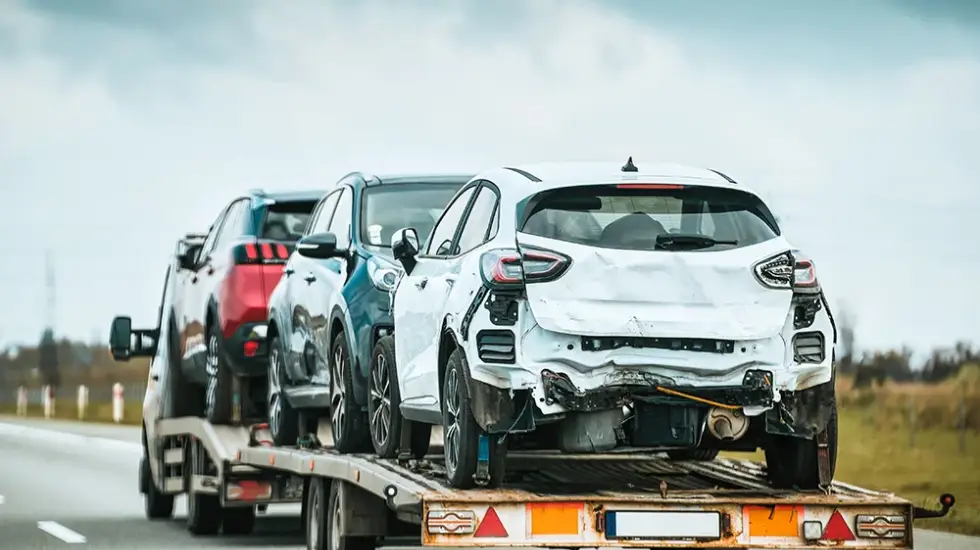
If the vehicle is being permanently disposed of, you may need to formally cancel its registration. This removes it from the Motor Vehicle Register, meaning it cannot legally be used on New Zealand roads. Cancellation generally applies when a vehicle is destroyed, permanently taken off the road, exported or written off rather than repaired. Here’s how to cancel the vehicle’s registration:
- Confirm who will handle the cancellation
Before the vehicle is collected, ask the scrap service, insurer or other third party whether they will cancel the registration. If you choose to sell the vehicle to a wrecker while it is still registered, you must still inform NZTA that you have sold it. - Prepare the required documents
The registered person generally needs to complete an Application to Cancel Registration form, known as an MR15, and provide acceptable identification. - Visit an NZTA registration agent
Take the completed MR15 form, your identification and the vehicle’s number plates to an approved agent. An administration fee applies. - Hand in the number plates
Return the plates when you cancel the registration. You may not get a refund of unused licensing fees if the plates are not supplied. Personalised plates should also be presented, but the agent can return them after checking them. - Clear any outstanding amounts
You may need to pay overdue licensing fees. Where road user charges apply, make sure they are up to date and provide the required mileage or distance reading. - Keep proof of permanent disposal
Save the cancellation confirmation, receipt and any paperwork from the insurer, exporter or vehicle disposal service. This gives you a record that your association with the vehicle has ended.
Clearing tolls, parking apps and automatic payments
Removing the vehicle from linked accounts helps prevent unexpected charges after the sale. Do this as soon as the buyer takes possession of the vehicle, even if the change of registered person is still being processed.
Relevant accounts to update or remove include:
- Remove the vehicle from any toll road account.
- Delete the registration plate from parking apps.
- Cancel automatic payments linked to the vehicle.
- Remove it from the fuel card or charging accounts.
- Update roadside assistance memberships.
- Disconnect vehicle tracking or security services.
- Remove the car from any online listing that is still active.
- Clear personal information from connected apps and the infotainment system.
- Check statements over the next 30 days for unexpected charges.
- Keep confirmation emails or screenshots showing when the vehicle was removed.
These services may be associated with the registration plate rather than legal ownership of the vehicle. A new customer could use the vehicle on the spot while charges are still linked to your account, so it is important to update each service promptly.
Records to keep after selling your car
Keeping clear proof of sale can protect you if a dispute, fine, fee, or ownership question arises later. Save the records together in one folder and keep digital copies where possible. Your checklist should include:
- A signed receipt showing the sale price, vehicle details and date of handover
- The buyer’s full name and contact details
- A copy of the sale agreement, if one was used
- Payment confirmation, including bank transfer or cleared bank cheque details
- The NZTA seller notification confirmation
- Photos of the vehicle at handover
- The odometer reading at the time of sale
- Any messages confirming the agreed price or vehicle condition
- Details of whether the vehicle had a current WOF
- Records of any faults, repairs or disclosures made before the sale
- Confirmation that the keys, plates and documents were handed over
It is also worth keeping proof of how much was paid and when the funds cleared. This can help show that the transaction was completed properly if the buyer later disputes the condition of the car or the terms of the sale.
What to do next if you’re buying a replacement vehicle
Before driving your replacement vehicle, arrange the insurance, ownership transfer and essential paperwork. Completing these checks early helps prevent gaps in cover and avoids delays after collection.
- Arrange car insurance to start before you drive the vehicle away.
- Confirm the correct registration plate, make, model and agreed value with your insurer.
- Ask whether your existing policy can be transferred from the old car.
- Complete the buyer’s NZTA change-of-registered-person transaction.
- Check that the vehicle has a current WOF and licence where required.
- Review any road user charges that apply to the vehicle.
- Get a receipt or written sale agreement from the seller.
- Confirm the odometer reading and vehicle identification details.
- Check whether finance, security interests, or money is owed on the vehicle.
- Save payment records and copies of all transfer confirmations.
- Add the new vehicle to your toll, parking, and roadside assistance accounts.
- Remove any remaining details for the old car from your insurer and linked services.
Do not assume the seller’s insurance covers you after the handover. Your own policy should be active before you take possession and begin driving.
FAQs
What happens if I forget to notify NZTA after selling my car?
Complete the seller notification as soon as you realise. Until NZTA updates its records, you may still receive notices linked to the vehicle. Keep your receipt and handover records in case you need to show when the sale occurred.
What should I do if the buyer does not complete their NZTA transfer?
Contact the buyer and ask them to complete their change-of-registered-person transaction promptly. You should also confirm that your own seller notification was submitted correctly and contact NZTA if the vehicle still appears connected to you.
What if I receive a fine or fee for the car after the sale?
Do not ignore it. Contact the organisation that issued the notice and provide evidence of the sale, such as the receipt, NZTA confirmation, payment record and handover date. The process for challenging the charge will depend on who issued it.
Can I fix the paperwork if the sale date or buyer details were entered incorrectly?
Contact NZTA as soon as possible and explain the error. Have your proof of sale and the buyer’s correct details ready. Fixing the record early can reduce the risk of later disputes or charges.
Get a fair cash offer for your damaged car today
Selling privately can leave you with paperwork, buyer follow-ups and extra admin after the car is gone. Sell My Salvage keeps the process simple from quote to collection.
Get a price online, accept the offer and let us arrange the rest. Everything is handled digitally, payment is made within 24 hours, and we come to you, whether your car is damaged, unregistered, non-roadworthy or simply no longer wanted.


.svg)