


Table of contents

Key Takeaways
- Compare private sales, dealerships and car-buying services before choosing how to sell your vehicle.
- Preparing your car, service history and paperwork can help attract more potential buyers.
- Complete the NZTA ownership transfer as soon as the sale is finalised to avoid future liability.
- Safe payment methods and careful handling of test drives help protect both buyer and seller.
- If you want to skip advertising and negotiations, a car-buying service can often purchase your vehicle within a day.
Selling your car doesn't have to be complicated. Whether you're selling privately, trading in at a dealership or using a vehicle-buying service, a little preparation can make the process smoother and help you achieve a fair price.
This guide walks you through everything you need to know, including preparing your car, setting an asking price, completing the paperwork, transferring ownership and avoiding common mistakes when selling a vehicle in New Zealand.
Which way to sell your car is right for you?
Selling your car isn't a one-size-fits-all process. The best option depends on how quickly you need to sell, how much effort you're willing to put in, and whether achieving the highest possible sale price is more important than convenience.
Some sellers are happy to create an online listing, negotiate with multiple buyers and arrange viewings. Others prefer a straightforward service that buys the vehicle on the spot, even if it's damaged or doesn't have a current WOF. The table below compares the most common ways to sell a vehicle in New Zealand.
Choose a private sale if:
- You're prepared to wait for the right buyer.
- Your vehicle is in good condition with a strong service history.
- You want to maximise the sale price.
Choose a dealership trade-in if:
- You're replacing your current vehicle with a new car.
- Convenience is more important than getting the highest price.
- You want everything completed in one transaction.
Choose a car-buying service if:
- You want to sell your car quickly.
- You don't want to arrange viewings or test drives.
- Your car is older, damaged, unregistered or simply no longer needed.

Tip
Before deciding where to sell, it's worth checking your vehicle's market value first. A realistic asking price helps attract genuine buyers and makes negotiations easier.
Step 1 — Prepare your car for sale
You do not need to make your car look brand new. Focus on the simple things that help buyers understand its condition and make the sale easier.
Before selling your car:
- Wash and vacuum the interior and exterior
- Remove personal belongings
- Take clear photos of your car
- Photograph any existing damage
- Check the tyres, lights, wipers and windscreen
- Confirm the WOF and registration status
- Fix small, low-cost issues
- Gather service and repair receipts
- Write down any known faults
- Remove toll tags and connected devices
A clean, well-documented car is easier to value, list and inspect. It also gives potential buyers clearer information before they arrange a viewing.
Step 2 — Find out what your car is worth
Before you set a price, get a clear idea of what your car is worth in today’s New Zealand market. A realistic figure can help you avoid wasted time, attract serious buyers and make negotiations easier.
Check what similar cars are selling for before you set a price. Compare the same model, year, mileage and condition.
What affects the price?
- Make, model and year
- Mileage
- Vehicle condition
- WOF and registration
- Service history
- Accident damage
- Buyer demand
Set a realistic asking price
Leave a little room to negotiate, but do not price the car so high that buyers lose interest.
Want to skip the guesswork?
Get a price for your vehicle online instead of spending hours comparing listings.
Step 3 — Gather your documents
Get the paperwork ready before buyers get in touch. It keeps the sale moving and avoids last-minute delays.
What you may need:
- Vehicle plate number
- Current WOF and registration details
- Service and repair receipts
- Certificate of registration, if available
- Finance payout details, if money is still owing
- A simple sale receipt
For the NZTA seller notification, you will need the buyer’s full name and address, your New Zealand driver's licence and the vehicle’s plate number. You can complete it online when the car is sold.
Step 4 — List and market your car
Create a clear, honest listing that gives buyers the key details upfront. Include the make, model, year, mileage, WOF and registration status, service history, known faults and asking price. Add sharp daylight photos of the interior, exterior, odometer and any visible damage. The more useful information you provide, the fewer time-wasting questions and viewings you are likely to receive.
Step 5 — Handle enquiries, viewings and test drives safely
Reply to genuine buyers, agree on a public meeting place where possible and avoid sharing more personal information than needed. Before a test drive, check that the driver has a valid licence, keep the keys with you until you are ready and consider joining them or bringing someone along. Confirm your car insurance covers test drivers, and never hand over the vehicle until payment has cleared.
Step 6 — Complete the sale and transfer ownership
Confirm the payment has cleared before you hand over the keys. Give the buyer a receipt showing the vehicle details, sale price, date and both parties’ names. Then complete the NZTA seller notification straight away and ask the buyer to submit their notification too. Both sides must notify NZTA for the vehicle to be transferred to the new registered person.
Do you pay tax when you sell a car in NZ?
Most private sellers will not pay tax when selling a personal car. Tax may apply if you bought the vehicle mainly to resell for profit, regularly trade cars or use it as a business asset. GST may also apply to some GST-registered businesses. When in doubt, check with Inland Revenue or a tax adviser.
How to sell your car fast
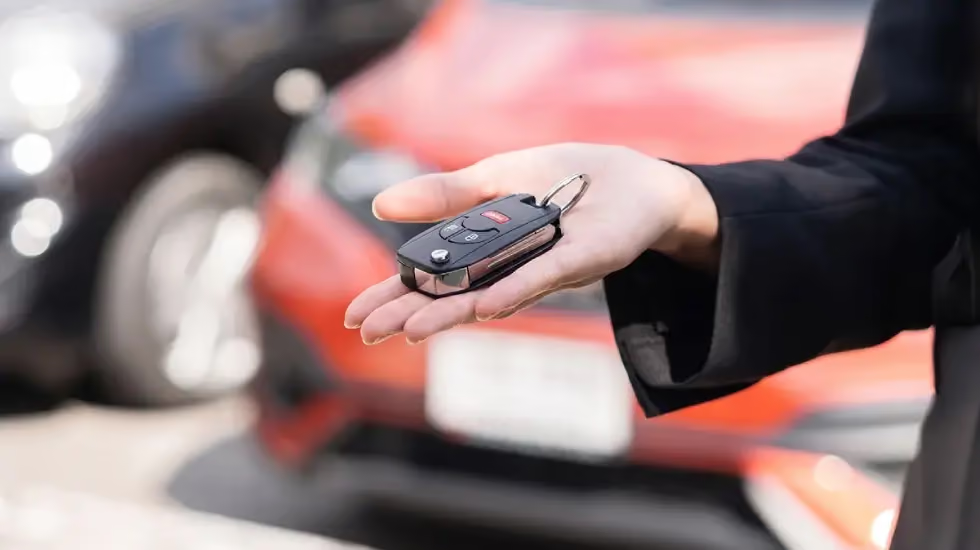
If speed matters more than getting the highest possible price, focus on the essentials. Price your car realistically, use clear photos, write an honest listing and respond to enquiries quickly. If you want to avoid advertising, negotiations and multiple viewings altogether, a car-buying service can provide a quick offer, arrange collection and get you paid sooner.
FAQs
Can you sell a car without a current WOF?
Yes, but the buyer must agree in writing that the car is being sold without a WOF less than one month old. A car without a current WOF generally cannot be driven on the road, except when being taken for repair or inspection, and it is safe to do so.
Should I accept a deposit before selling the car?
You can accept a deposit, but put the deal in writing. Record the amount, remaining balance, payment deadline and whether the deposit is refundable. Do not hand over the keys until the full payment has cleared. Take extra care with bank cheques or third-party payment arrangements.
What happens if I receive a ticket after selling the car?
Complete the seller notification as soon as you sell the car, and keep the receipt and NZTA confirmation. If a ticket arrives for an offence after the sale, contact the Police Infringement Bureau and provide evidence that the vehicle had already been registered to a different person.
Does the buyer need to complete an MR13B form?
The buyer must notify NZTA that they have acquired the vehicle. They can usually do this online with a New Zealand driver's licence and the plate number. Buyers without an NZ licence, and companies or organisations, may need to visit an NZTA agent and complete the buyer process there. This updates the registered person on the Motor Vehicle Register.


.svg)